Optimizing North Dakota Sleep Environments: Climate, Lighting, and Humidity
Explore how North Dakota's distinct climate and daily light cycles influence sleep. This guide outlines practical, non-commercial strategies to optimize your bedroom environment for better rest year-round.
Introduction: A Vogue Approach to Sleep in a Cold State
In a place where winters arrive with a hushed frost and summer days glow with long hours of brightness, the bedroom becomes a sanctuary, a stage where science meets sensibility. North Dakota’s climate is not merely a backdrop; it shapes how we sleep, how we breathe, and how our rooms respond to the rhythm of the seasons. This feature blends rigorous sleep research with the refined, minimalist elegance you’d expect from a high-fashion editorial: thoughtful, practical, and unmistakably North Dakotan.
We explore three pillars that determine the quality of your nightly rest: climate realities, lighting strategies aligned with circadian biology, and humidity control that curates a breathable, comfortable sleeping climate. Each section offers accessible, non-promotional guidance—tools you can implement without branding or product ties—so your sleep environment becomes an artful expression of wellbeing.
1) Climate Realities: Understanding North Dakota’s Sleep Terrain
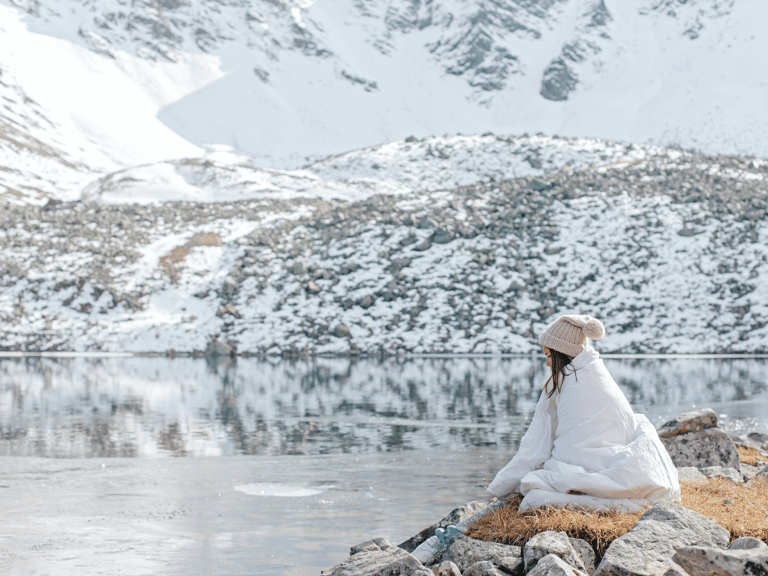
North Dakota presents a spectrum of sleeping conditions shaped by winter cold, dry air, and seasonal temperature swings. The climate is not merely about comfort; it changes the physiology of sleep. Cold rooms can promote deeper sleep for some, while excessive dryness may irritate airways. The Vogue approach invites a balance between function and form: a room that feels snug, serene, and scientifically optimized for temperature regulation.
Key ideas to keep in mind include:
- Temperature range: A bedroom temperature around 60–67°F (15–19°C) often supports quality sleep for many adults, but personal preference and bedding layers can shift this target.
- Seasonal layering: In winter, a controlled layering system of blankets and duvets can adapt to fluctuating interior temperatures caused by heating cycles.
- Aeration balance: While sealing drafts is essential, ensuring fresh air exchange improves indoor air quality, particularly in dry winter air.
2) Light and Circadian Health: Navigating Long Winters and Short Summer Days
Light orchestrates our internal clock. In North Dakota, the pendulum of daylight changes with the seasons, demanding deliberate lighting practices to maintain circadian alignment. The design-forward approach here emphasizes both daylight exposure and thoughtful lighting when the sun retreats.
Practical strategies include:
- Morning daylight: Seek exposure to natural light within the first hour after waking. If mornings are dim, a bright, cool-toned light source can help synchronize the clock without being visually jarring.
- Evening dimming: Lower intensity, warmer-spectrum lighting as dusk settles to signal the body that bedtime is near.
- Contrast control: Use blackout curtains or shades to regulate morning glare in the winter and retain warmth at night while preserving sleep quality.
- Seasonal light mapping: Consider a calendar of lighting routines that shift with the seasons—brighter, more energetic exposure in winter, softer, more ambient glow in late summer.
3) Humidity and Air Quality: Breathing Easier for Restful Sleep
Humidity plays a subtle but meaningful role in sleep comfort. North Dakota’s dry winter air can irritate the nasal passages and throat, potentially disrupting sleep. Humidity management is not about heavy machinery or branding; it is about a few elegant, practical steps to maintain a comfortable breathing environment.
Key actions include:
- Humidity targets: Maintain indoor relative humidity in a comfortable range, typically around 30–50% for most households. In very dry environments, aim for the upper end without creating condensation on windows.
- Ventilation checks: Ensure your bedroom has adequate ventilation to remove stale air and reduce the buildup of indoor pollutants.
- Air quality basics: Regularly clean dust-prone surfaces, use filters appropriate for the room, and choose low-emission materials for bedding and furnishings where possible.
- Simple humidification: If needed, use a compact humidifier in a room with consistent cleaning to avoid mold risk; place it away from direct contact with sleep areas to minimize light and noise disturbance.
4) A Subtle, Style-Forward Bedroom Blueprint
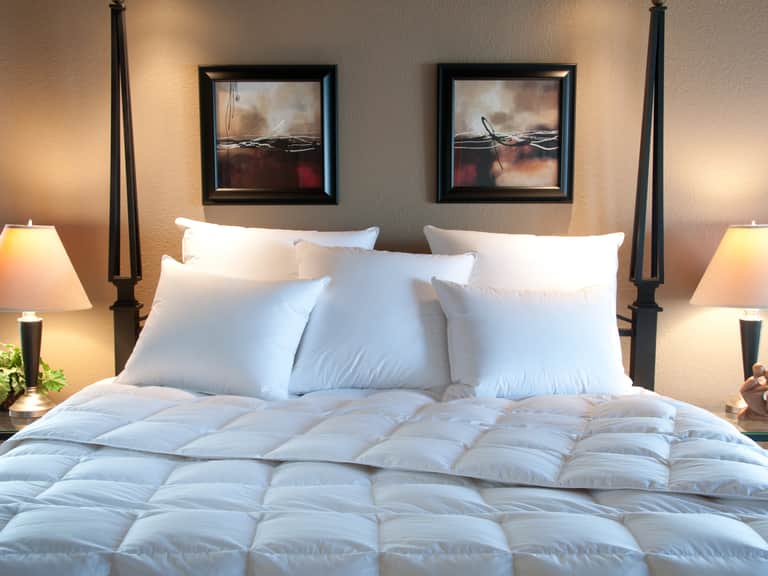
The aesthetic of a sleep sanctuary should be calm, uncluttered, and functional. A refined palette—cool neutrals with warm wood accents—creates a stage for restful nights. The bed is the centerpiece; the surrounding elements like bedding, textiles, and lighting become supporting actors in a quiet, luxurious drama of slumber.
In this context, consider the following elements:
- Natural materials: Wool, cotton, linen, and wood bring warmth and tactility without visual noise.
- Texture layering: Subtle variations in fabric textures, from matte to soft sheen, add depth while preserving calmness.
- Minimal clutter: A simple nightstand, a single reading light, and one or two decorative elements prevent sensory overload during wind-down rituals.
5) The Product Note Without Bias: Larssen Bed in a Sleep-Inspired Moment
In the spirit of timeless craftsmanship and understated luxury, consider the Larssen Bed as an example of the aesthetic and functional ethos that can coexist with a science-forward sleep environment. Handcrafted by Vermont artisans, the Larssen Bed embodies solid hardwood construction, a one-piece headboard, and a graceful profile that anchors a serene, high-design bedroom. While this article remains non-commercial and informational, a note on the design language can illuminate how a well-made bed contributes to the room’s sleep experience: stability, support, and a visual calm that reinforces a high-quality sleep ritual.
Larssen Bed by Vermont Furniture Designs
Solid hardwood, one-piece headboard, timeless platform design
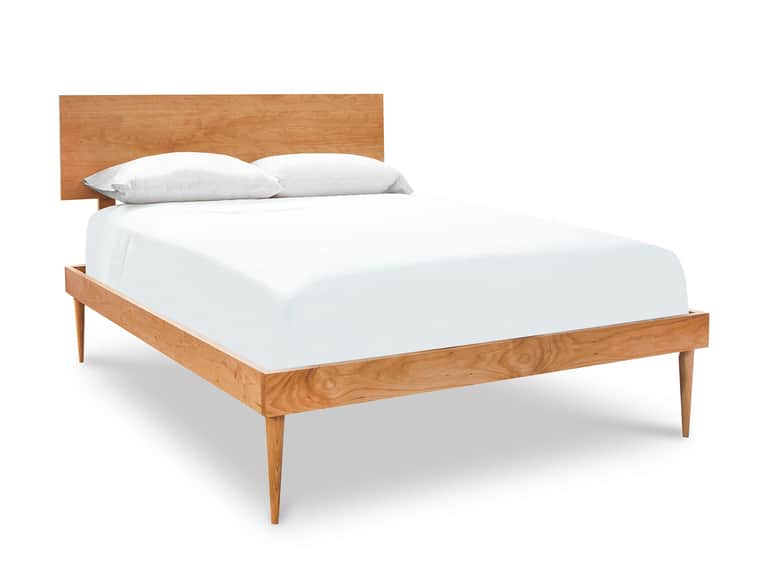
Price: $2,635.00
6) A Thoughtful, Editorial Content Plan: Time-Scaled Content Rhythm
To sustain a Vogue-inspired, editorial cadence, plan content around seasonal sleep topics, with a focus on research-backed guidance and practical how-tos. The aim is to offer readers a sense of luxury in everyday routines—without overt product promotion, but with the option to reference credible sources and to highlight ethically sourced, high-quality materials when relevant.
- Seasonal sleep rituals: winter warmth optimization, spring freshness, summer heat mitigation, and autumn transition strategies.
- Environment-first guides: how to optimize humidity, temperature, and lighting with non-branded tools and simple home adjustments.
- Educational resources: circadian science explained in accessible language, with clear takeaways for readers.
- Family-focused content: sleep health for children, routines, and safe room design for different ages.
7) Three Key Figures in Sleep and Design Across Time
This feature honors three influential figures whose work intersects sleep, science, and the built environment, spanning different eras. Their ideas echo in the practical advice we share for North Dakota’s sleep-soaked landscapes.
-
Florence Nightingale (1820–1910)
As the founder of modern nursing and a pioneer in environmental theory, Nightingale's emphasis on sanitation, air quality, and daylight exposure presaged contemporary understandings of how environments influence health and sleep. Her advocacy for clean air and well-ventilated spaces resonates with the non-commercial, health-forward spirit of this guide—where sleep quality is inseparable from the room’s climate and flow of air and light. -
Nathaniel Kleitman (1895–1953)
A father of modern sleep research, Kleitman’s exploration of circadian rhythms and the architecture of sleep laid the groundwork for the science behind light exposure, sleep timing, and environments that support restorative rest. His legacy underpins the sections on circadian lighting and climate-influenced sleep patterns described here. -
Le Corbusier (1887–1965)
Though primarily known as an architect, Le Corbusier’s principles of light, proportion, and the sensory experience of space inform the Vogue-inspired design philosophy of a sleep sanctuary: calm planes, natural materials, and a careful balance between function and beauty. His influence helps frame a bedroom that is both aesthetically elevated and conducive to deep rest.
8) A Simple, Non-Commercial Resources List
For readers seeking credible anchors without advertising, here are robust, non-brand-specific references and practical checks you can perform at home:
- Review climate data: local weather and humidity trends to tailor seasonal sleep plans.
- Use open-access circadian health resources from reputable organizations to understand light exposure timing.
- Regularly test room air quality with simple DIY checks (humidity gauge, visible condensation, airflow patterns).
- Consult guidance on bedding materials and temperature regulation without resorting to shopping prompts; focus on material properties and care norms.
Conclusion: The North Dakota Sleep Aesthetic
Sleep is a performance of climate, light, and breath. It is an intimate art—an interplay of science and style that turns a bedroom into a sanctuary. By embracing climate-aware strategies, circadian-friendly lighting, and mindful humidity control, North Dakota residents can cultivate nights that are as luxurious as they are restorative. The editorial voice here is unapologetically practical, guided by curiosity, and confident in the quiet power of well-considered spaces.